↓
 

Nashville Land Surveying

Local Land Surveyors in Nashville, TN

Nashville Land Surveying header
Nashville Land Surveying
  • Home
  • ALTA Survey
    • Bowling Green, KY
    • Clarksville, TN
    • Jackson, MS
    • Jackson, TN
    • Lexington, KY
    • Louisville, KY
    • Memphis, TN
  • Boundary Surveying
  • Drone LiDAR Mapping
  • Elevation Certificate
  • Land Surveying
  • Lot Survey – Closing Survey
  • Topographic Survey
  • Blog
  • About Us
    • Contact Us
    • Glossary
Home - Page 2 << 1 2 3 4 … 8 9 >>

Post navigation

← Older posts
Newer posts →

Before You Break Ground, You Need Construction Staking

Nashville Land Surveying Posted on May 28, 2026 by NashvilleSurveyorMay 21, 2026
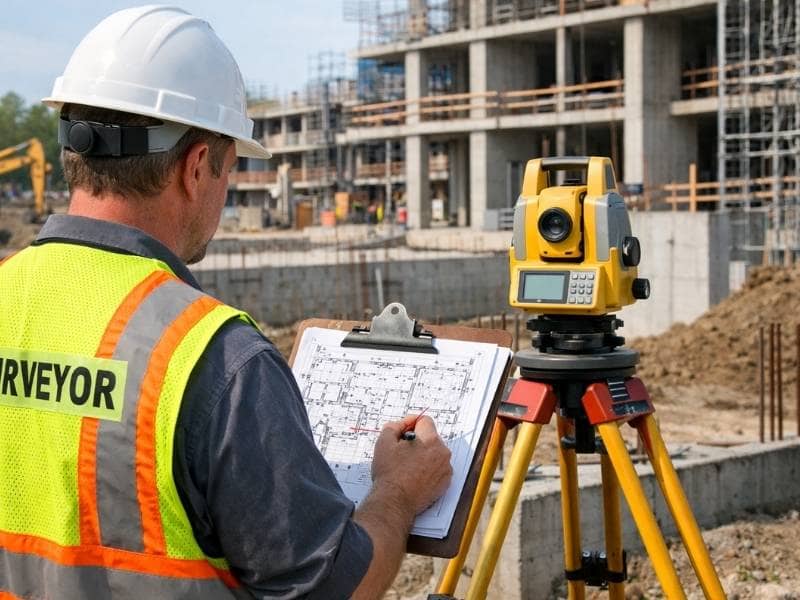
Construction staking in progress at a job site with layout stakes and foundation preparation before development

Construction staking is one of the first steps on any building project. Yet many developers overlook it until something goes wrong. By then, the cost to fix the mistake is far greater than the survey itself.

What Is Construction Staking?

Construction staking is a surveying service where a licensed land surveyor places physical stakes in the ground. These stakes show workers exactly where to build.

Think of it as a map drawn directly on the land. The stakes mark the location of foundations, roads, utilities, and other structures. Without them, contractors are guessing.

Why Developers Need Construction Staking

Nashville is growing fast. New subdivisions, commercial buildings, and mixed-use projects are going up across Davidson County and nearby areas.

With that growth comes tight lot lines, strict zoning setbacks, and complex grading requirements. One mistake can trigger a stop-work order or lead to costly demolition.

Construction staking helps remove that risk. It keeps every trade on the same page from day one.

What Does a Construction Staker Actually Do?

A surveyor starts with your approved site plan and transfers those measurements onto the ground.

Step 1: Plan Review

The surveyor reviews the site plan, grading plan, and utility drawings. They check for conflicts before any work begins.

Step 2: Field Staking

The surveyor visits the site and uses GPS equipment and total stations to place stakes at precise locations. Common stakes include:

  • Building corners
  • Offset lines for foundation work
  • Road centerlines
  • Utility line locations
  • Grading cut and fill points

Step 3: Verification

After staking, the surveyor documents everything. This gives your crew a reference if a stake is moved or disturbed during construction.

What Gets Staked on a Job Site?

The scope depends on the project. Here is what most developers request:

  • Foundation staking marks the exact corners of the building footprint
  • Rough grade staking shows where soil needs to be cut or filled
  • Utility staking marks water lines, sewer lines, and storm drains
  • Road and curb staking is used for subdivision streets and parking lots
  • Finish grade staking provides final elevation checks before paving or landscaping

What Happens If You Skip Construction Staking?

Skipping construction staking is a common and costly mistake. Here is what can go wrong:

  • A foundation is poured in the wrong location
  • A building encroaches on a setback or neighboring property
  • Utility lines are installed incorrectly or at the wrong depth
  • Grading errors cause drainage problems after completion

Fixing a misplaced foundation can cost tens of thousands of dollars. Construction staking typically costs a fraction of that.

When Should You Schedule Construction Staking?

Schedule staking before any grading or excavation begins. Most developers bring in a surveyor right after permits are approved.

For larger projects, staking is done in phases:

  • Rough grade staking before site clearing
  • Foundation staking before concrete work
  • Utility staking before underground installation
  • Finish grade staking before final site work

Talk to your surveyor early. Experienced surveyors often book weeks in advance, especially during the busy spring and summer construction season.

Frequently Asked Questions

1. How much does construction staking cost?

Cost depends on the size and complexity of the project. A single-family home typically costs between $500 and $1,500. Larger commercial projects cost more. Always request a written quote before work begins.

2. Who performs construction staking?

A licensed land surveyor performs construction staking. In Tennessee, surveyors must be licensed by the Tennessee State Board of Licensure for Professional Engineers and Land Surveyors.

3. Is construction staking the same as a boundary survey?

No. A boundary survey establishes property lines. Construction staking uses those lines and your site plan to show where structures should be built. They serve different purposes.

4. How long does construction staking take?

A small residential project may take a few hours. A large commercial site may take a full day or more. Your surveyor can give a timeline after reviewing the site plan.

5. Do I need construction staking if I already have a survey?

Yes. A property survey shows where your land starts and ends. Construction staking shows where to build within that land. Both are necessary for a successful project.

Posted in construction | Tagged Land Surveying

Boundary Survey Explained for Property Owners

Nashville Land Surveying Posted on May 26, 2026 by NashvilleSurveyorMay 21, 2026
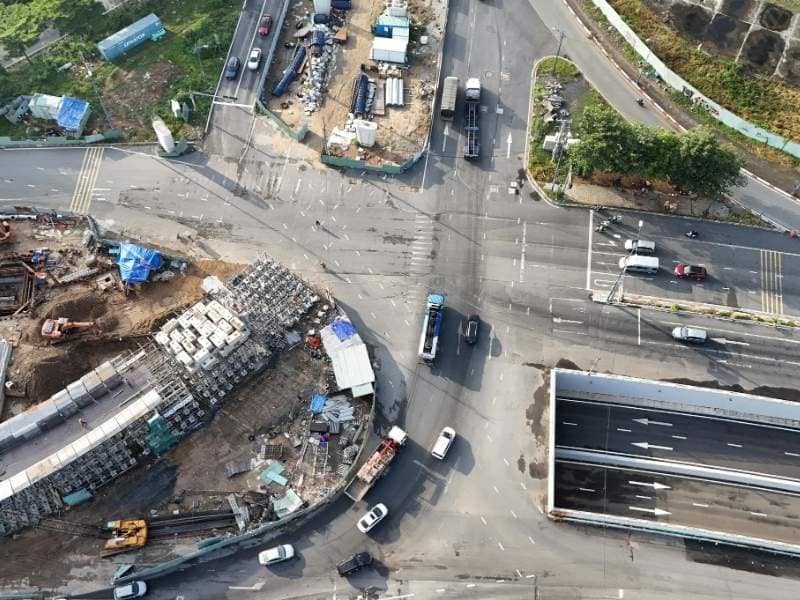
Boundary survey with a land surveyor marking and measuring a development site

A boundary survey for property owners is not optional. It is the first step that protects your investment before a single shovel hits the ground. Skip it, and you could be building on land you do not legally own.

Nashville’s rapid growth has made property disputes more common than ever. Middle Tennessee added over 100 new residents per day between 2020 and 2023, according to the U.S. Census Bureau. More people means more development. More development means more boundary conflicts.

What Is a Boundary Survey?

A boundary survey is a legal document. A licensed land surveyor locates and maps the exact edges of a parcel of land. It shows where your property starts and where it ends.

This is different from a topographic survey, which measures elevation. It is also different from an ALTA survey, which is more detailed and often required by lenders.

A boundary survey answers one question: Where exactly is my property line?

What Does a Boundary Survey Include?

  • The legal description of the parcel
  • The location of all property corners, marked with iron pins or monuments
  • Encroachments from neighboring properties
  • Easements that cross or border the land
  • A plat or map drawn to scale
  • The surveyor’s stamp and signature

In Tennessee, only a Professional Land Surveyor (PLS) licensed by the Tennessee Board of Licensure for Professional Engineers and Land Surveyors can legally perform and certify a boundary survey.

Why Developers Need One Before They Build

Metro Nashville and Davidson County require a licensed survey before issuing many types of development permits. That includes subdivision plats, rezoning applications, and some commercial building permits.

Beyond permits, here is what a boundary survey protects you from:

  • Encroachment disputes. A fence, driveway, or structure built over a property line can result in costly litigation or forced removal.
  • Title issues. Title insurance companies typically require a boundary survey before issuing a policy on new construction.
  • Setback violations. Metro Nashville zoning codes require specific setbacks from property lines. Without a survey, you are guessing.
  • Easement surprises. Utility easements or access easements can limit where you can build, even on land you own.

How the Boundary Survey Process Works 

Step 1: Hire a Licensed Surveyor

Look for a PLS registered with the Tennessee Board of Licensure. Ask for experience with Nashville Metro projects specifically. Local surveyors know Davidson County’s older plat records, which can be inconsistent or poorly indexed.

Step 2: Provide the Legal Description

Your deed includes a legal description of the property. Give this to your surveyor along with any previous surveys, title reports, or plat maps you have.

Step 3: Field Work

The surveyor’s crew visits the site. They locate existing monuments, measure distances, and set new iron pins at the corners if needed.

Step 4: Research

The surveyor pulls deed records, historical plats, and adjoining property descriptions from the Davidson County Register of Deeds. This step can take longer for older properties with complex ownership histories.

Step 5: Draft and Certify the Plat

The surveyor produces a scaled drawing of the parcel with all findings noted. They sign and stamp it. This document is now legally valid in Tennessee.

How Long Does It Take?

Most standard boundary surveys take 2 to 6 weeks from order to delivery. Complex projects or properties with title issues can take longer. Plan for this in your development timeline.

How Much Does a Boundary Survey Cost?

Costs vary based on parcel size, complexity, and location. A typical residential boundary survey runs between $500 and $1,500. Commercial or larger parcels can cost $2,000 to $5,000 or more. Always get a written quote before signing a contract.

Common Boundary Survey Issues Developers Run Into

Gaps and Overlaps in Old Plats

Many older neighborhoods were platted before modern GPS equipment. Older surveys sometimes leave gaps or overlaps between adjacent parcels. A licensed surveyor will flag these and help you resolve them before they become legal problems.

Easements That Restrict Development

Nashville has a dense network of utility easements, especially in areas with older infrastructure. A boundary survey will show these easements on the plat. Some easements prohibit permanent structures. Check this before you design your site plan.

Adverse Possession Claims

Tennessee law allows a party to claim ownership of land they have openly and continuously occupied for seven or more years. If a neighbor has been mowing or using part of your parcel, you need to address it before development. A surveyor documents the situation. An attorney handles the legal resolution.

Frequently Asked Questions 

Do I need a boundary survey before buying land? 

Yes. A boundary survey before closing protects you from buying a parcel with encroachments, easements, or title gaps. Most commercial lenders require one before funding a development loan.

What is the difference between a boundary survey and an ALTA survey? 

A boundary survey identifies property lines. An ALTA/NSPS survey is more comprehensive. It includes easements, improvements, zoning information, and other details required by title companies and lenders on commercial deals. ALTA surveys follow national standards set by the American Land Title Association.

Can I use an old survey for my development project? 

Sometimes. If the previous survey was done by a licensed PLS and is recent, some agencies will accept it. But if conditions have changed, if the survey is more than five years old, or if a lender requires a current survey, you will need a new one.

 What happens if my neighbor disputes the boundary line? 

A certified survey is evidence in court. If a neighbor disagrees with the findings, the dispute typically involves a review of deed records and historical surveys. In serious cases, a real estate attorney handles the resolution. The survey is your starting point, not the end of the conversation.

Who regulates land surveyors in Tennessee? 

The Tennessee Board of Licensure for Professional Engineers and Land Surveyors oversees all PLS licensees. You can verify a surveyor’s license status at their official state website. Always confirm licensure before hiring.

Posted in boundary surveying | Tagged boundary survey

What Developers Should Know About Easements 

Nashville Land Surveying Posted on May 22, 2026 by NashvilleSurveyorMay 21, 2026
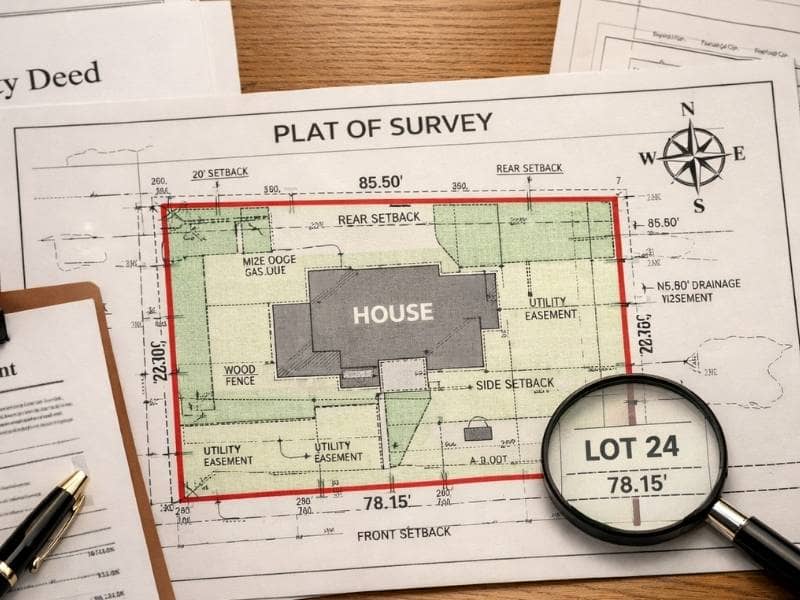
Commercial site plan showing a proposed building footprint crossing utility and access easements during the land development review process

Picture this. You’ve closed on a parcel, your architect has finished the site plan, and the project is finally moving. Then a letter arrives from a utility company. They have a recorded easement running directly through your planned building footprint. Construction stops. Lawyers get involved. The deal you spent months putting together starts falling apart.

This happens more than most developers want to admit. Easements are legal rights that allow someone else to use a portion of your property for a specific purpose. They don’t disappear when ownership changes hands. They stay attached to the land itself. Find them during due diligence, or find them the hard way.

What an Easement Actually Is

An easement gives a person, company or government entity the legal right to use land they don’t own. The key word is “use,” not “own.” The property title stays with you. The right to access, cross or restrict a portion of it belongs to someone else.

Most easements are permanent. They get recorded in the public record and pass from owner to owner with the deed. When you buy a property, you buy whatever easements came with it.

The Two Types That Matter Most to Developers

Appurtenant easements benefit an adjacent property. A shared driveway, a common access road, a path connecting one parcel to a public street. These typically involve two neighboring parcels, and both are affected when either property sells.

Easements in gross benefit a company or entity rather than a neighboring parcel. Utility corridors, pipeline rights-of-way and telecom infrastructure fall into this category. The utility company holds the right regardless of who owns the land underneath.

Where Easements Hide

They don’t announce themselves. Most developers who get burned by an easement didn’t miss it because they were careless. They missed it because they didn’t know where to look.

Easements live in recorded deeds and historical title documents, plat maps and subdivision records, utility company files and municipal records. Some show up on prior surveys. Many don’t get discovered until someone actually orders an ALTA survey.

What a Land Survey Shows You

A properly executed ALTA/NSPS survey locates recorded easements on the ground. You’ll see exactly where a utility corridor cuts through the parcel, how wide a drainage easement runs, and whether any existing improvements already sit inside a restricted area. That’s information your site plan needs before your architect draws a single line.

What a Title Search Adds

The survey shows where. The title search shows why. Schedule B of a title commitment lists every exception to coverage, and that’s where easements, restrictions and recorded agreements live. Read it carefully. Every line in Schedule B is something that could affect your project.

The Easement Types Developers Hit Most Often

Utility easements are the most common. Power, gas, water and telecom companies hold them across millions of parcels. They typically run 10 to 30 feet wide. You cannot build permanent structures over them without the utility holder’s written consent.

Access and right-of-way easements give a neighboring owner or the public the right to cross your land. If one cuts through a planned parking structure or building footprint, your entire site layout may need to change.

Drainage easements are often required by municipalities, particularly on parcels near water or in flood-prone areas. They restrict grading, filling and construction within the drainage path. They can shrink your buildable area more than you’d expect.

Conservation easements limit development permanently on portions of a property. They’re increasingly common on land near wetlands, floodplains or environmentally sensitive areas. A conservation easement recorded on part of your parcel may reduce buildable acreage by more than your pro forma assumed.

How an Easement Can Reshape Your Project

The financial impact depends on where the easement sits and how wide it runs. A utility corridor through an undevelopable corner of a site is manageable. One cutting through your planned building pad is a different problem entirely.

Most easements prohibit permanent structures within their boundaries. Some restrict underground work too. Others only apply above grade. The language in the recorded document controls, and that language varies.

When You Can Build Near an Easement

Some easements allow surface use as long as nothing permanent gets built. Parking lots, landscaping and paved surfaces are sometimes permitted within easement areas. A licensed land surveyor can locate the boundaries. A land use attorney can tell you what the recorded language allows for your specific project.

When You Cannot

Encroaching on a utility easement without written permission from the holder creates legal exposure. Utility companies have the right to remove encroachments, sometimes without compensating the property owner. Don’t build on an easement and hope no one notices. They notice.

What to Do Before You Close or Break Ground

Three steps. No shortcuts.

Get an ALTA/NSPS survey. This is the standard for commercial and development transactions. It locates all recorded easements on the ground and ties them to the actual property boundaries. A basic boundary survey won’t always catch everything.

Review the full title commitment. Don’t skim Schedule B. Every exception matters. If you see an easement listed and don’t understand what it restricts, find out before you close.

Bring in a land use attorney. Surveys and title reports show you what exists. An attorney tells you what it means for your project. That’s a different question, and it’s worth answering early.

Can You Get Rid of an Easement?

Sometimes. Three realistic options:

Negotiate a release. Utility companies occasionally agree to relocate easements when a developer funds the cost. It’s not common, but it happens on larger projects where the economics support it.

Prove abandonment. If an easement hasn’t been used in years and there’s documented evidence, a quiet title action may establish that the right has been abandoned. This is a legal process, not a quick fix.

File a quiet title action. If an easement was improperly recorded or the holder’s rights have lapsed, a court can extinguish it. Expect months, not weeks.

Build the discovery process into due diligence. Trying to resolve an easement issue after closing is expensive, slow and occasionally impossible.

Frequently Asked Questions

Does an easement always show up on a property survey? 

Not automatically. An ALTA/NSPS survey is designed to locate recorded easements on the ground. A basic boundary survey may miss them. Always specify the survey type before ordering.

Can I build over a utility easement? 

Not without written consent from the utility holder. Even minor structures can trigger removal orders. Get permission in writing before any work starts inside an easement area.

What if I bought land and didn’t know about an easement? 

If it was recorded before your purchase, it was part of what you bought. You may have a claim against your title insurance company if the easement was missed in a policy they issued. Talk to an attorney.

Who maintains the area within an easement? 

Usually the property owner. You own the land, even within an easement area. You just can’t always control what the easement holder does on it. The recorded agreement may specify maintenance responsibilities.

Can a developer negotiate to relocate an easement? 

Yes, but it takes time and money. Utility companies may agree to relocate infrastructure if the developer covers the full cost. Municipalities may require a formal application and approval process. Get any agreement recorded before construction starts.

Posted in land surveying | Tagged Land Surveying

Post navigation

← Older posts
Newer posts →
get a quote button
© Nashville Land Surveying
6339 Charlotte Pike #614
Nashville, Tennessee 37209
Phone: (615) 645-1404

Privacy Policy | Terms of Use

Web Development and SEO by:
SEO Company for Professionals

The owner of this website, USA Surveying & Engineering, LLC., provides coordination of professional land surveying and engineering services in all 50 states. The professional surveying and engineering services provided to you will be conducted by fully licensed professionals in your state.

↑