↓
 

Nashville Land Surveying

Local Land Surveyors in Nashville, TN

Nashville Land Surveying header
Nashville Land Surveying
  • Home
  • ALTA Survey
    • Bowling Green, KY
    • Clarksville, TN
    • Jackson, MS
    • Jackson, TN
    • Lexington, KY
    • Louisville, KY
    • Memphis, TN
  • Boundary Surveying
  • Drone LiDAR Mapping
  • Elevation Certificate
  • Land Surveying
  • Lot Survey – Closing Survey
  • Topographic Survey
  • Blog
  • About Us
    • Contact Us
    • Glossary
Home 1 2 3 … 6 7 >>

Post navigation

← Older posts

Welcome to Nashville Land Surveying

Nashville Land Surveying Posted on August 18, 2017 by NashvilleSurveyorApril 16, 2018

This site is intended to provide you with information on Land Surveying in the Nashville, TN and Davidson County area of Tennessee. If you’re looking for a Nashville Land Surveyor, you’ve come to the right place. If you’d rather talk to someone about your land surveying needs, please call our local number at (615) 645-1404 today. For more information, please continue to read.

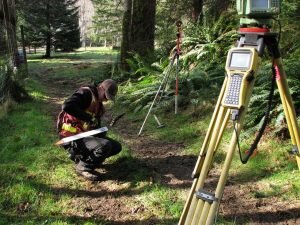
land surveyingLand Surveyors are professionals who make precise measurements to determine the size and boundaries of a piece of real estate.  While this is a simplistic definition, boundary surveying is one of the most common types of surveying related to home and land owners. If you fall into the following categories, please click on the appropriate link for more information on that subject:

Nashville Land Surveying services:

    1. I need to know where my property corners or property lines are. (Boundary Survey)
    2. I have a loan closing or re-finance coming up on my home in a subdivision. (Lot Survey)
    3. I need a map of my property with contour lines to show elevation differences for my architect or engineer. (Topo Survey)
    4. I’ve just been told I’m in a flood zone or I’ve been told I need an elevation certificate in order to obtain flood insurance or prove I don’t need it. (Flood Survey)
    5. I’m purchasing a lot/house in a recorded subdivision. (Lot Survey – See Boundary Survey if you’re not in a subdivision.)
    6. I’m purchasing a larger tract of land, acreage, that hasn’t been subdivided in the past. (Boundary Survey)

Contact Nashville Land Surveying services TODAY at (615) 645-1404.

Posted in boundary surveying, elevation certificate, land surveying, land surveyor | Tagged boundary survey, land surveyor, land surveyor nashville tn, Nashville Land Surveying

2026 ALTA Survey Changes Every Commercial Buyer Should Know 

Nashville Land Surveying Posted on May 14, 2026 by NashvilleSurveyorMay 12, 2026
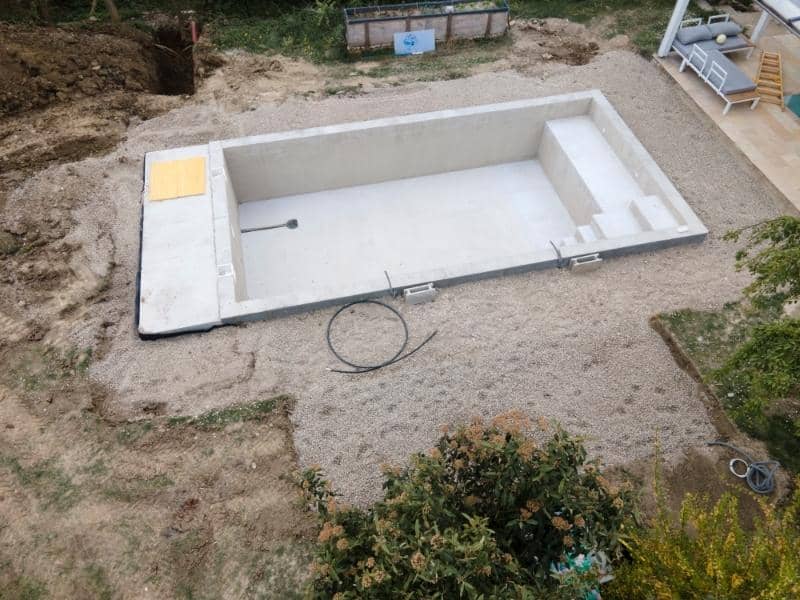
Commercial land surveyor reviewing a redevelopment site before a commercial property closing

Imagine this. You just closed on a commercial property near Nashville’s East Bank. The deal felt solid. The price was right. Then, a few weeks later, you find out a utility easement runs right through the spot where you planned to build. Nobody caught it. Nobody flagged it. And now, fixing it will cost you more than you ever expected.

This kind of story plays out more often than most buyers realize especially in a city growing as fast as Nashville. The good news? It doesn’t have to happen to you. The even better news: new 2026 ALTA survey standards now give commercial buyers stronger tools to catch these problems before closing.

What Is an ALTA Survey?

An ALTA survey is the gold standard for commercial real estate. It goes far beyond a basic boundary survey. It maps your property lines, yes but it also shows easements, encroachments, access points, rights-of-way, and existing improvements on the land.

Lenders and title companies almost always require one for commercial deals. And for good reason. A regular title search tells you who owns the property on paper. An ALTA survey tells you what’s actually happening on the ground.

In Nashville’s booming market with Oracle’s $4.5 billion East Bank campus underway, luxury hotels rising in The Gulch, and new mixed-use towers reshaping Wedgewood-Houston commercial transactions are moving fast. That speed creates risk. And risk is exactly where an ALTA survey earns its keep.

What Changed in February 2026?

Every five years, the American Land Title Association (ALTA) and the National Society of Professional Surveyors (NSPS) update their minimum standards. The latest version took effect on February 23, 2026. It replaces every prior version and applies to all new ALTA surveys ordered from that date forward.

So if you’re buying commercial property right now, these are the rules your surveyor should be following.

The updates don’t completely overhaul the process. But they do add important clarity, stronger transparency, and most importantly a brand new tool that every buyer should request.

The Four Changes That Matter Most to You

First, surveyors now have to explain discrepancies in writing. If what’s recorded in the deed doesn’t match what’s physically on the property, the surveyor must document why right on the face of the survey. No more vague notes buried in technical language. You’ll see the gap spelled out clearly, so you and your attorney can address it before the deal closes.

Second, easements must be fully accounted for. The new standards require surveyors to state clearly whether each easement is shown, cannot be located, is a blanket easement, or simply doesn’t affect the property. Even more importantly, if the surveyor finds a recorded easement that the title company didn’t list, they must now report it. This matters enormously in Nashville, where older industrial parcels like those being redeveloped in River North often carry legacy easements that never surface in a standard title search.

Third, aerial and satellite imagery is now formally accepted. Surveyors can use drone or satellite data to locate property features, but only after discussing this with you first. As a buyer, you should ask upfront: Will aerial imagery be used on my survey, and is it accurate enough for my property type?

Fourth and this is the biggest change there’s a new Table A item called Item 20. This is the one you absolutely must request.

Table A Item 20: Your New Best Friend

Table A is a list of optional add-ons that buyers can request on an ALTA survey. Think of it like customizing your order. Item 20 is the newest addition, and it’s a game-changer.

When you select Item 20, your surveyor must create a dedicated summary table right on the face of your survey listing every observed encroachment and physical condition that could affect the property. Before this update, surveyors handled encroachments inconsistently. You had to hunt through pages of technical drawings to find red flags. Now, all the important issues appear in one clear, easy-to-read table.

Think of it like a Carfax report for your commercial property. Instead of digging through dense paperwork, you get a clean summary of everything that could cause problems before you sign.

For buyers dealing with fast-moving deals, this summary can be the difference between catching a problem early and inheriting it after closing.

What You Should Request Before Your Next Closing

Now that you know what changed, here’s how to put it into action.

Always request Table A Item 20. Make it non-negotiable on every commercial transaction. It costs little extra but saves enormous headaches.

Confirm your surveyor is using 2026 ALTA/NSPS standards. Not a prior version. Ask directly.

Share your title commitment with your surveyor as early as possible. Delays in passing along title documents push back the survey and potentially your closing date.

Ask specifically about legacy easements if you’re buying in areas like River North, East Nashville, or any property that was once industrial. These parcels carry history that older records don’t always capture cleanly.

Order your survey early. ALTA surveys take time, especially in a busy market like Nashville. Waiting until the week before closing is a gamble you don’t want to take.

Nashville Is Moving Fast Your Due Diligence Needs to Keep Up

Nashville ranked No. 6 among the top U.S. commercial real estate markets in 2026. The East Bank alone represents 550 acres of active redevelopment. Investors and developers are moving quickly to secure properties before prices climb further.

That speed is exciting. But it also means due diligence sometimes gets cut short in the rush to close. One missed easement, one unresolved encroachment, one access issue can delay construction permits, disrupt financing, and cost tens of thousands of dollars to resolve after the fact.

The 2026 ALTA standards exist to prevent exactly that. They put more information in your hands, earlier, so you make better decisions.

Posted in alta survey | Tagged alta survey

What Is an ALTA Survey? A Simple Guide for Buyers

Nashville Land Surveying Posted on May 12, 2026 by NashvilleSurveyorMay 12, 2026
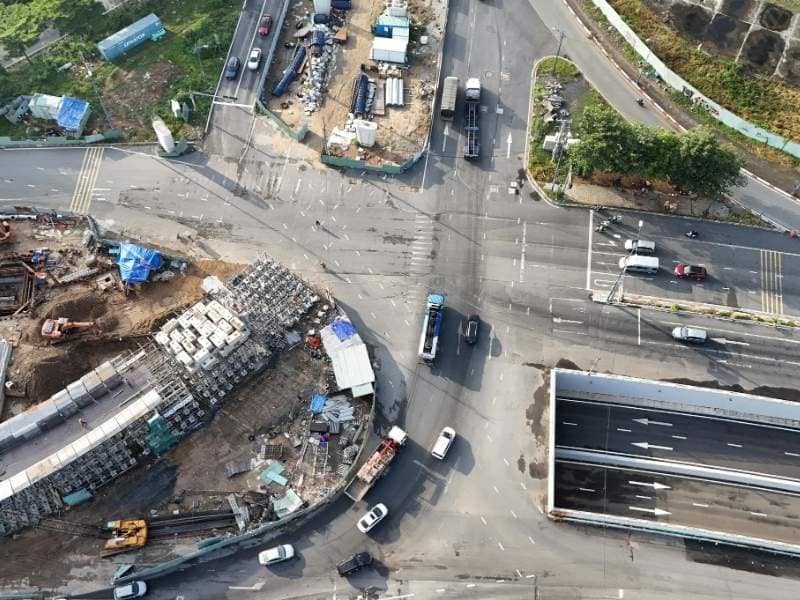
Commercial surveyor reviewing an ALTA survey plan at a commercial property development site

You found the perfect commercial property. The location is strong. The numbers make sense. Your attorney gives you the green light. Then someone says you need an ALTA survey before closing and suddenly you are trying to understand a term you have never heard before.

You are not alone.

Most commercial buyers first hear about an ALTA survey during a real estate deal. Because the process sounds technical, many people simply approve it without really understanding what it does.

That can be risky, especially in a fast-growing market like Nashville.

An ALTA survey can uncover property issues that may affect financing, construction plans, title insurance, or future development. It gives buyers, lenders, and title companies a detailed look at the property before the deal closes.

What Is an ALTA Survey?

An ALTA survey is a detailed commercial property survey that follows national standards created by the American Land Title Association (ALTA) and the National Society of Professional Surveyors (NSPS).

The full name is an ALTA/NSPS Land Title Survey.

Unlike a basic boundary survey, an ALTA survey provides a much deeper review of the property. It combines fieldwork, title research, and property records into one detailed document.

The survey helps buyers understand:

  • Property boundaries
  • Easements
  • Encroachments
  • Existing improvements
  • Legal access
  • Utility locations
  • Rights-of-way
  • Title-related concerns

Because the survey follows national standards, lenders, attorneys, and title companies across the country can review the same type of document with confidence.

That consistency is one reason ALTA surveys are commonly required during commercial real estate transactions.

What Does ALTA Stand For?

ALTA stands for the American Land Title Association.

NSPS stands for the National Society of Professional Surveyors.

These two organizations created national standards for commercial land title surveys. The standards help make sure surveys are prepared consistently no matter where the property is located.

The updated 2026 ALTA/NSPS standards officially took effect this year, making it even more important for commercial buyers to work with experienced survey professionals.

What Does an ALTA Survey Show?

An ALTA survey gives buyers a complete picture of the property before closing.

It identifies both physical and legal issues that could affect ownership, financing, or development plans later.

An ALTA Survey Typically Includes:

  • Property boundaries
  • Easements
  • Encroachments
  • Buildings and improvements
  • Parking lots and driveways
  • Access points
  • Rights-of-way
  • Utility infrastructure
  • Recorded title matters

Here is a closer look at what those items mean.

Property Boundaries

The survey maps the exact edges of the property.

This confirms the size and location of the land being purchased.

Easements

Easements allow another party to use part of the property for a specific purpose.

For example:

  • Utility companies may have access rights for power lines
  • Cities may hold drainage easements
  • Neighboring properties may have shared access agreements

Some easements can limit where future buildings, parking lots, or improvements can be placed.

Encroachments

An encroachment happens when something crosses a property line.

Examples include:

  • A fence crossing onto neighboring land
  • A driveway extending past the boundary
  • Part of a building sitting on another parcel

Even small encroachments can create legal and financing problems during a commercial transaction.

Improvements

The survey identifies existing improvements on the property, including:

  • Buildings
  • Sidewalks
  • Parking lots
  • Retaining walls
  • Loading areas
  • Access drives

This helps confirm that improvements match property records and site plans.

Access and Rights-of-Way

An ALTA survey confirms whether the property has legal access from a public road.

This matters more than many buyers realize.

Some older commercial or industrial properties may appear accessible but lack recorded legal access rights.

Utilities

The survey identifies visible utility features that may affect future development.

This can include:

  • Utility poles
  • Drainage structures
  • Water lines
  • Electrical infrastructure

Knowing where utilities are located helps buyers avoid expensive construction conflicts later.

How Is an ALTA Survey Different From a Boundary Survey?

A standard boundary survey mainly identifies property lines.

An ALTA survey goes much further.

Boundary Survey

  • Focuses mainly on property lines
  • Follows state standards
  • Often used for residential properties

ALTA Survey

  • Follows national standards
  • Includes title research
  • Identifies easements and encroachments
  • Verifies access rights
  • Maps improvements and utilities
  • Commonly required for commercial transactions

Because ALTA surveys provide more detail, they typically cost more than a basic boundary survey. However, that extra detail helps protect commercial buyers from expensive surprises after closing.

Who Needs an ALTA Survey?

ALTA surveys are commonly required during commercial real estate transactions.

Commercial Buyers

Buyers use ALTA surveys to fully understand the property before investing significant money.

Lenders

Most commercial lenders require an ALTA survey before approving financing.

The survey helps reduce lending risk and supports title insurance review.

Title Insurance Companies

Title companies use ALTA surveys to issue title policies with fewer exceptions.

Without a survey, some title risks may remain uncovered.

Developers

Developers need to know exactly what exists on the property before starting construction.

An ALTA survey helps identify issues that could delay permits or redesign projects later.

Commercial Investors

Investors want to avoid hidden problems that may reduce property value or create legal disputes after closing.

Why ALTA Surveys Matter

Nashville continues to experience major commercial growth across areas like:

  • The Gulch
  • East Bank
  • Wedgewood-Houston
  • Downtown Nashville
  • Middle Tennessee development corridors

As commercial development increases, lenders and title companies are paying closer attention to due diligence.

Even a small easement or encroachment issue can:

  • Delay financing
  • Slow construction
  • Increase legal costs
  • Affect future development plans

That is why ALTA surveys have become a critical part of many commercial transactions.

What Happens If You Skip an ALTA Survey?

Skipping an ALTA survey can create major risks for commercial buyers.

You may discover problems only after the transaction closes.

Common issues include:

  • Utility easements blocking future construction
  • Shared access disputes
  • Encroachments from neighboring properties
  • Boundary conflicts
  • Lack of legal road access
  • Restrictions affecting development plans

These problems are not rare in fast-moving real estate markets.

Once the property closes, fixing those issues often becomes the buyer’s responsibility.

In many cases, the cost of solving the problem is far greater than the cost of the survey itself.

How Long Does an ALTA Survey Take?

Most ALTA surveys take between two and four weeks to complete.

The timeline depends on:

  • Property size
  • Site complexity
  • Number of parcels
  • Title research requirements
  • Survey conditions

Busy commercial markets can sometimes extend turnaround times.

That is why experienced buyers order the survey early during the due diligence process instead of waiting until the final days before closing.

How Much Does an ALTA Survey Cost?

For many commercial properties, ALTA survey costs typically range from $2,500 to $6,000 or more.

Pricing depends on:

  • Property size
  • Number of parcels
  • Complexity of title records
  • Existing site conditions
  • Survey scope requirements

Larger or more complex commercial properties may cost more.

While the survey is a meaningful investment, it can help buyers avoid far more expensive legal, construction, or title problems later.

What Changed in the 2026 ALTA Standards?

The updated 2026 ALTA/NSPS standards introduced several changes that affect commercial property transactions.

These updates help improve:

  • Survey consistency
  • Data accuracy
  • Communication between surveyors and title companies
  • Documentation requirements

Commercial buyers should make sure their survey provider understands the newest standards before ordering an ALTA survey.

Requesting the correct survey scope early can help prevent delays during financing and closing.

Posted in alta survey | Tagged alta survey

Post navigation

← Older posts
get a quote button
© Nashville Land Surveying
6339 Charlotte Pike #614
Nashville, Tennessee 37209
Phone: (615) 645-1404

Privacy Policy | Terms of Use

Web Development and SEO by:
SEO Company for Professionals

The owner of this website, USA Surveying & Engineering, LLC., provides coordination of professional land surveying and engineering services in all 50 states. The professional surveying and engineering services provided to you will be conducted by fully licensed professionals in your state.

↑