
Why Construction Survey Accuracy Matters When Expanding Roads Near Established Neighborhoods
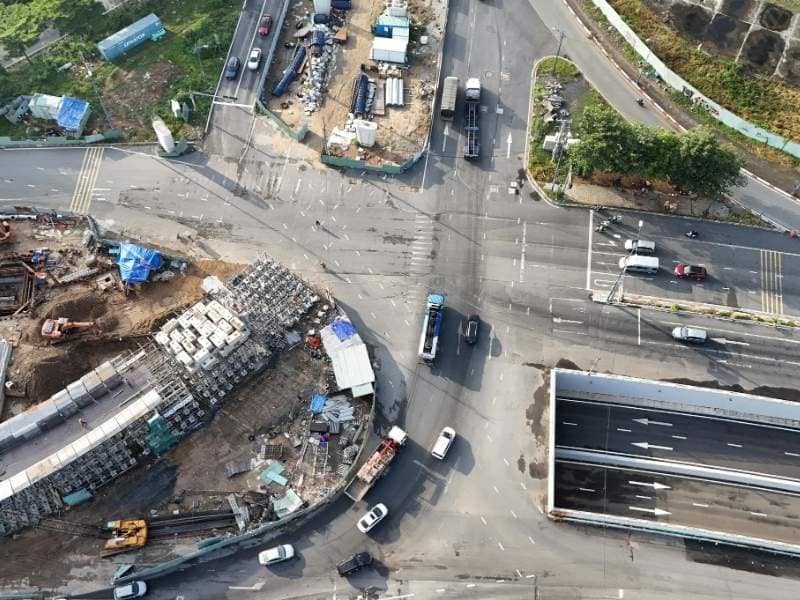
Road expansion projects help communities grow and move more smoothly, but they also bring changes to areas where people have lived for many years. A construction survey provides exact measurements and clear maps of the land before any work begins. This information guides every step of the project, so improvements fit well with the homes, yards, and familiar spaces that make the neighborhood feel like home. Without accurate data, even small changes can cause problems that affect residents and the work itself.
Preserving Familiar Community Features During Road Improvement Projects
Older neighborhoods hold features that people value deeply. Tall shade trees, stone walls, flower beds, and long sidewalks have been part of daily life for decades. These details do more than look nice, they give the area its unique feel and make it comfortable to live in. When plans are made without precise measurements, crews may accidentally damage or remove these features while trying to widen lanes or adjust curbs.
Accurate survey information marks exactly where every tree, wall, and path sits. It lets designers plan new roads around these items instead of through them. In many cases, small shifts in the layout can save mature trees or keep walkways in place. This careful approach keeps the neighborhood looking and feeling the same while still adding needed improvements.
Here are common features that surveys help protect:
- Large trees that provide shade and privacy
- Sidewalks and walkways used daily by residents
- Mailboxes, fences, and low walls along property lines
- Landscaping that has grown over many years
Balancing Transportation Needs With the Daily Routines of Nearby Residents
Road work does not happen in empty space. It sits right next to homes where families wake up, drop kids at school, and receive deliveries every day. Even minor changes to traffic flow or access points can shift these routines in big ways. If plans are not clear, residents may face blocked driveways, longer walking routes, or delays that last longer than expected.
Survey data helps planners understand how people move through the area now. It shows where driveways connect, where foot traffic is heaviest, and how buses or delivery trucks reach homes. With these details, crews can set up work zones that leave access open during key times. They can also arrange phases of work so only small sections close at once, keeping life as normal as possible while construction moves forward.
Recognizing How Older Neighborhood Layouts Influence Modern Road Designs
Streets built 50 or 60 years ago followed different rules than roads built today. They may curve more gently, have narrower lanes, or follow natural slopes that no longer match current traffic needs. These older patterns are not mistakes, they were built to fit the way people lived and traveled at that time. Changing them completely would mean removing too many homes or altering the whole shape of the neighborhood.
A construction survey captures these original patterns and shows exactly how roads and lots line up. It reveals where curves start, where property lines run, and how elevation changes across the area. With this information, new designs can follow the existing flow instead of forcing straight lines that do not fit. The result is a road that works better for modern use while still respecting the original layout.
Managing Construction Work Around Long-Established Residential Boundaries
When roads sit close to homes, every inch of space matters. The edge of the pavement may be only a few feet away from a house or a yard. Moving that line even a small distance can affect property use or create safety risks. Without clear measurements, crews may not know exactly where the road ends and private land begins.
Survey information sets clear lines between public space and private property. It marks how far construction equipment can safely reach and where materials can be placed without crossing into yards. This clarity keeps work organized and reduces confusion for everyone involved. It also prevents accidental damage to fences, gardens, or foundations that have stood for generations.
Helping Communities Adapt to Transportation Changes Without Losing Their Identity
Neighborhoods change slowly over time, and transportation needs grow along with them. Wider roads, better lighting, and safer crossings help keep the area useful for future residents. But growth does not have to erase the qualities that made the place special. When plans rely on accurate data, improvements fit naturally into what already exists.
A construction survey gives a clear picture of the whole area, past and present. It lets teams see what can stay, what needs updating, and what changes will bring the most benefit. This approach builds roads that serve travel needs and also protect the look and feel of the community. Residents get better access and smoother traffic without losing the familiar environment they chose to live in.
Frequently Asked Questions
What challenges make road improvements more complex in established neighborhoods?
These areas have fixed layouts, existing structures, and active daily use. Unlike open land, there is no extra space to adjust plans or shift boundaries. Every change must fit around homes, yards, and the habits of people who live there, which requires more careful planning and precise measurements.
Which neighborhood features are often considered during road expansion projects?
Designers look at trees, sidewalks, fences, walls, and driveways. They also notice open spaces, walking paths, and areas where children play. These items shape how the neighborhood feels and function, so they stay part of the plan whenever possible.
Does the age of a neighborhood influence how transportation projects are planned?
Yes, older areas follow patterns that differ from modern design standards. Roads may be narrower or follow curves that do not match current rules. Planners use survey data to work with these existing shapes instead of rebuilding everything from scratch.
Are there situations where community routines affect construction activities?
Yes, work schedules and site layouts often change to match daily life. Crews may avoid blocking streets during school hours or arrange access so mail and deliveries still reach homes. Survey data helps identify where and when these adjustments are needed.
What role does accurate construction survey information play when roads are upgraded near homes?
It gives clear, reliable details about boundaries, slopes, and existing features. This information guides decisions that improve traffic flow while protecting property and neighborhood character. It reduces mistakes, keeps work on track, and ensures the final result fits well with the area around it.