
Before You Break Ground, You Need Construction Staking
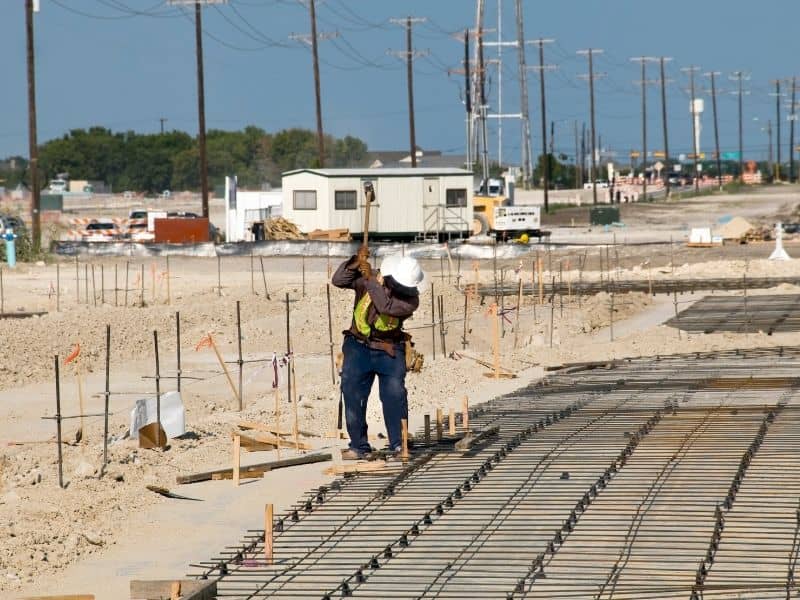
Construction staking is one of the first steps on any building project. Yet many developers overlook it until something goes wrong. By then, the cost to fix the mistake is far greater than the survey itself.
What Is Construction Staking?
Construction staking is a surveying service where a licensed land surveyor places physical stakes in the ground. These stakes show workers exactly where to build.
Think of it as a map drawn directly on the land. The stakes mark the location of foundations, roads, utilities, and other structures. Without them, contractors are guessing.
Why Developers Need Construction Staking
Nashville is growing fast. New subdivisions, commercial buildings, and mixed-use projects are going up across Davidson County and nearby areas.
With that growth comes tight lot lines, strict zoning setbacks, and complex grading requirements. One mistake can trigger a stop-work order or lead to costly demolition.
Construction staking helps remove that risk. It keeps every trade on the same page from day one.
What Does a Construction Staker Actually Do?
A surveyor starts with your approved site plan and transfers those measurements onto the ground.
Step 1: Plan Review
The surveyor reviews the site plan, grading plan, and utility drawings. They check for conflicts before any work begins.
Step 2: Field Staking
The surveyor visits the site and uses GPS equipment and total stations to place stakes at precise locations. Common stakes include:
- Building corners
- Offset lines for foundation work
- Road centerlines
- Utility line locations
- Grading cut and fill points
Step 3: Verification
After staking, the surveyor documents everything. This gives your crew a reference if a stake is moved or disturbed during construction.
What Gets Staked on a Job Site?
The scope depends on the project. Here is what most developers request:
- Foundation staking marks the exact corners of the building footprint
- Rough grade staking shows where soil needs to be cut or filled
- Utility staking marks water lines, sewer lines, and storm drains
- Road and curb staking is used for subdivision streets and parking lots
- Finish grade staking provides final elevation checks before paving or landscaping
What Happens If You Skip Construction Staking?
Skipping construction staking is a common and costly mistake. Here is what can go wrong:
- A foundation is poured in the wrong location
- A building encroaches on a setback or neighboring property
- Utility lines are installed incorrectly or at the wrong depth
- Grading errors cause drainage problems after completion
Fixing a misplaced foundation can cost tens of thousands of dollars. Construction staking typically costs a fraction of that.
When Should You Schedule Construction Staking?
Schedule staking before any grading or excavation begins. Most developers bring in a surveyor right after permits are approved.
For larger projects, staking is done in phases:
- Rough grade staking before site clearing
- Foundation staking before concrete work
- Utility staking before underground installation
- Finish grade staking before final site work
Talk to your surveyor early. Experienced surveyors often book weeks in advance, especially during the busy spring and summer construction season.
Frequently Asked Questions
1. How much does construction staking cost?
Cost depends on the size and complexity of the project. A single-family home typically costs between $500 and $1,500. Larger commercial projects cost more. Always request a written quote before work begins.
2. Who performs construction staking?
A licensed land surveyor performs construction staking. In Tennessee, surveyors must be licensed by the Tennessee State Board of Licensure for Professional Engineers and Land Surveyors.
3. Is construction staking the same as a boundary survey?
No. A boundary survey establishes property lines. Construction staking uses those lines and your site plan to show where structures should be built. They serve different purposes.
4. How long does construction staking take?
A small residential project may take a few hours. A large commercial site may take a full day or more. Your surveyor can give a timeline after reviewing the site plan.
5. Do I need construction staking if I already have a survey?
Yes. A property survey shows where your land starts and ends. Construction staking shows where to build within that land. Both are necessary for a successful project.